


May 13, 2026, 9:00 AM
Understanding social impact – a ‘bolt-on’ tool or an essential strategic process?
In early June a free online seminar is taking place on the subject of social accounting and audit (details below). I strongly recommend you join it. And this is why.
The USP of a civil society organisation can be found in its values and societal or environmental aims. Yet most still do not truly understand whether what they do to deliver those aims and values is really making a lasting difference for their beneficiaries.
Instead, organisations often take a fragmented approach to understanding social and environmental impact, driven largely by funders’ requirements and focused on the outcomes they want, rather than the change the organisation exists to create.
No link with organisational strategy
I see civil society organisations adopting one (or more) of the myriad of ‘social value measurement tools’ on the market and bolting them onto their existing processes as an additional reporting requirement. This means there is no link with organisational strategy and business plan, and little insight into whether the processes used across the organisation are creating the desired outcomes.
Furthermore, it is one more task for busy staff. Measuring and reporting social impact happens for one or two years and then gets sidelined by another priority…
Time to embrace social impact
With the tightening of reporting of social impact in the SORP (Statement of Recommended Practice) and the recent government announcement that it is exploring a new definition of social value, I believe now is the time for civil society to fully embrace the understanding of social impact into the core of strategic and operational processes.
For inspiration I always look first to the Neuro Muscular Centre in Cheshire, which supports people with various forms of neuro-muscular disease and their families. Their work is strongly stakeholder-driven, and for the past 18 years, the charity has worked with the Social Audit Network (SAN) to measure impact through social accounting. This process allows them to reflect on the difference they have made in people’s lives and to celebrate everything their community has achieved together.
Prove the difference
Fully embedded into their systems and processes, the Centre is able to prove the difference it is making, take steps to improve and be accountable to their users, families, funders and other stakeholders. Each year they share the results in an annual Impact Report.
You might note that this document also contains their Annual Report and Financial Statement – but after the report on social impact, showing that the difference that they make is facilitated by their operational and financial performance.
Social accounting and audit
Neuro Muscular Centre colleagues will tell you that this approach has not only improved what they do, but has also increased the scope of their work, their turnover and their client base, winning them contracts and grants to build a sustainable business. For them the social accounting is part of what they do – a framework around which they build their own monitoring, evaluation and reporting.
For those who have never heard of it, ‘social accounting’ is the process of record keeping and the reporting of information about the social, environmental and economic outcomes and impact generated by your organisation. ‘Social audit ‘is the independent verification of your social accounts. It is an assurance process that enables an organisation to demonstrate to others that its social accounts are honest, robust and can be relied upon.
The Social Audit Network (SAN)
Established in 2001, SAN is an association of social accounting and audit practitioners, existing to promote and support the practice of social accounting and audit. It provides training, information, advice and guidance about social accounting and auditing. It also holds conferences and publishes the 'Prove, Improve, Account Guide', as well as other documents supporting people to learn about and undertake social accounting in their own organisations.
SAN operates predominantly within the UK but also has affiliates and social accounting practitioners abroad in places like South Korea, Nepal, New Zealand, India, Australia and Indonesia.
Find out more
If you are interested in finding out more, join the SAN’s Annual Gathering on Thursday 4th June 2026, 11am-1pm UK time. This free online event attracts an international audience of people working in charities, social enterprises, co-operatives and NGOs, policymakers, students, academics and anyone interested in social impact.
The event will feature a knowledge and practice exchange focussed on ‘why we get up in the morning…’, revealing how the theory of social accounting and audit is being used to manage and maximise social impact across the world. You will hear from inspiring speakers, attend themed break-out seminars and take part in thought-provoking discussions.
ABOUT ANNE LYTHGOE
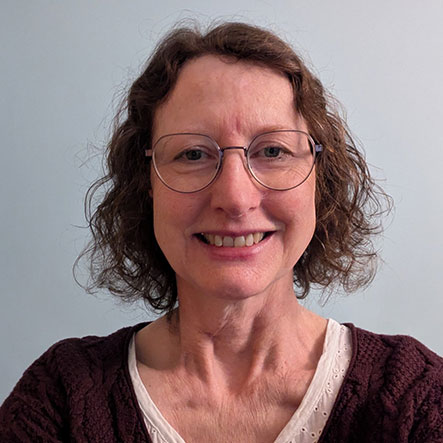
Anne Lythgoe is a strategic and creative thinker, influencer and social activist. She works as a freelance adviser on voluntary, community, faith and social enterprise (VCFSE) sector issues, specialising in funding bids, project design and development as well as financial management, social impact reporting and stakeholder engagement.
Strategic Planning & Business Planning
Plot your course. Whether an organisation is preparing for launch or is in need of fresh impetus, our strategy development skills will help to establish a robust, future focused and sustainable plan for the organisation as a whole – including and integrating the strategies for marketing and fundraising.
Get in touch
Do you want to hear more about our Strategic and Business planning services? Leave your details below and we'll be in touch.